High-Ambient HVAC Heat Transfer and Capacitor Stress Under 115°F+ Temperatures

Lead Technical Writer & Trade Compliance Analyst • American Trade Registry Research
The Core Problem & Regulatory Context
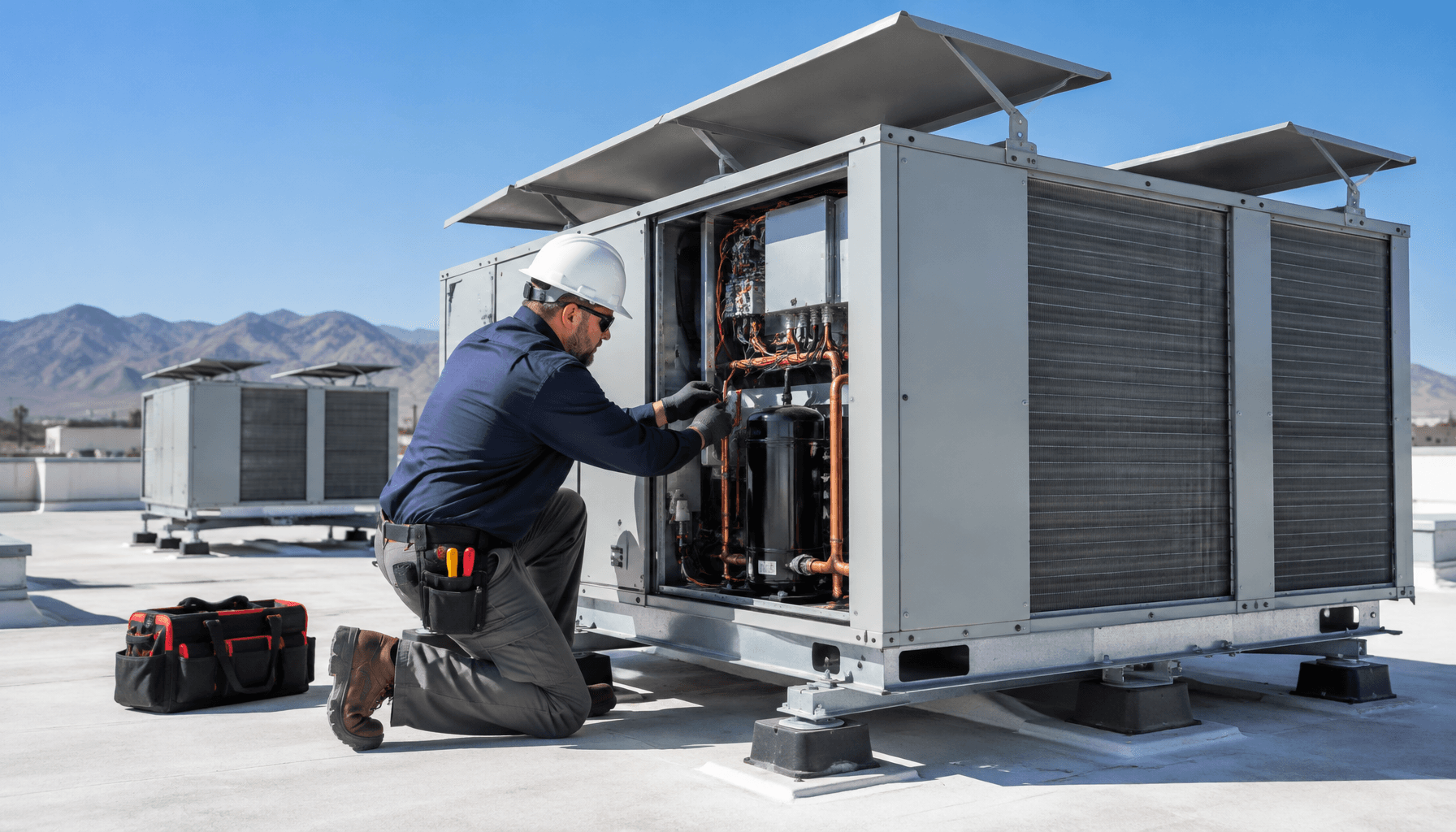
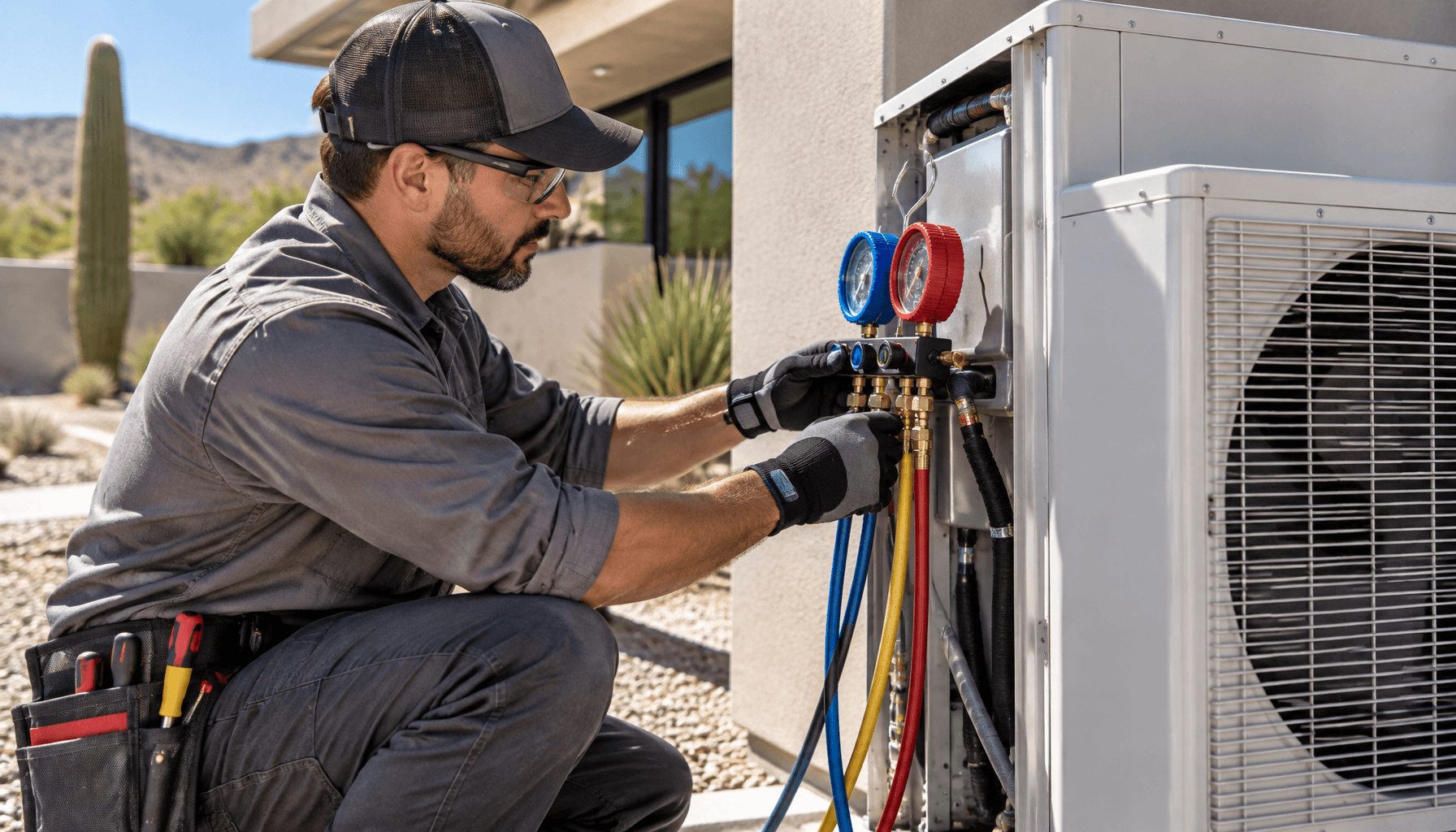
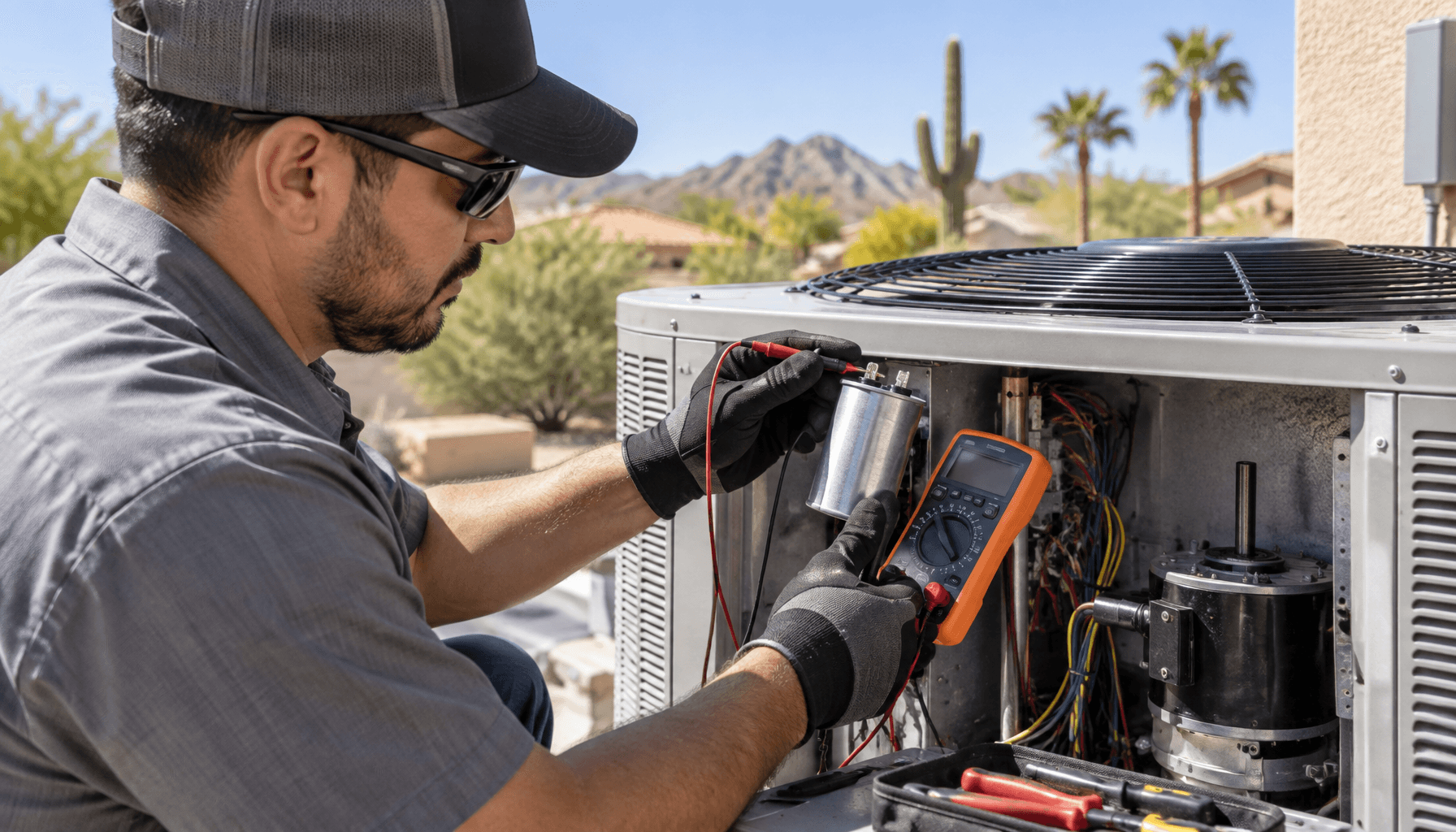
High ambient temperatures in the Southwest often exceeding 115°F present unique challenges for HVAC systems. At these temperatures, heat rejection becomes inefficient. The International Residential Code (IRC) and the International Building Code (IBC) demand compliance with specific installation and operational standards to ensure system longevity and safety. NEC/NFPA 70 regulates electrical components, critical when capacitor stress increases due to high heat. Dielectric oil in capacitors can break down rapidly, causing capacitor failure and potential system shutdowns.
HVAC systems must withstand these extreme conditions without compromising safety or efficiency. The Arizona ROC Title 32 Chapter 10 emphasizes licensed contractor engagement to mitigate risks. Cutting corners costs. Improper installations may lead to increased repair costs, often exceeding $1,500 per incident, with potential energy inefficiencies raising annual utility expenses by as much as 20%. Compliance with OSHA 1926 standards ensures worker safety during installations and maintenance, minimizing liability risks. Caliche soils shift, requiring foundational compliance. Verify ROC bonds first.
Workflow Architecture & Execution Topology
┌───────────────────────────┐
│  Initial Consultation     │
│  & Site Assessment        │
└─────────┬─────────────────┘
          │
          ▼
┌───────────────────────────┐
│  Load Calculation         │
│  & System Design          │
└─────────┬─────────────────┘
          │
          ▼
┌───────────────────────────┐
│  Installation &           │
│  Component Verification   │
└─────────┬─────────────────┘
          │
          ▼
┌───────────────────────────┐
│  Compliance Check         │
│  & ROC Certification      │
└───────────────────────────┘
Methodology Benchmark: Legacy Approaches vs. Modern Standards
| Criteria | Unverified/Legacy Methods | Modern ATR Assured Standards |
|---|---|---|
| Vetting Rigor | Low, often overlooked | High, stringent checks enforced |
| Escrow Protection | Rarely implemented | Standard practice for all projects |
| Audit Trail | Minimal documentation | Comprehensive, traceable records |
| Statutory Certification | Infrequent compliance checks | Mandatory certification and verification |
Essential Takeaways & Axioms for Property Owners
- Verify licensing rigorously. Always check contractor licensing with Arizona ROC before proceeding.
- Emphasize capacitor quality. Invest in resilient capacitors designed for high-heat environments.
- Demand compliance audits. Ensure thorough audits are conducted post-installation to verify compliance.
- Plan for extreme heat. Design HVAC systems with high ambient temperatures in mind to prevent failures.
Document Tags & Standards
Oliver Green
Verified Trade Standards AnalystLead Technical Writer & Trade Compliance Analyst • American Trade Registry Research
Lead technical writer and trade compliance systems analyst at American Trade Registry. Researching US building codes (IBC/IRC), OSHA safety mandates, state contractor licensing compliance, Mechanics Lien statutes, and automated contractor vetting and escrow assurance workflows for American property owners.
Need a vetted, licensed local pro?
Post your job in 90 seconds. We match you with verified, ROC licensed & insured tradespeople backed by our Peace of Mind guarantee.