Commercial and Residential Rooftop HVAC Maintenance: Vibration Dampening and Sun Protection

Lead Technical Writer & Trade Compliance Analyst • American Trade Registry Research
The Core Problem & Regulatory Context
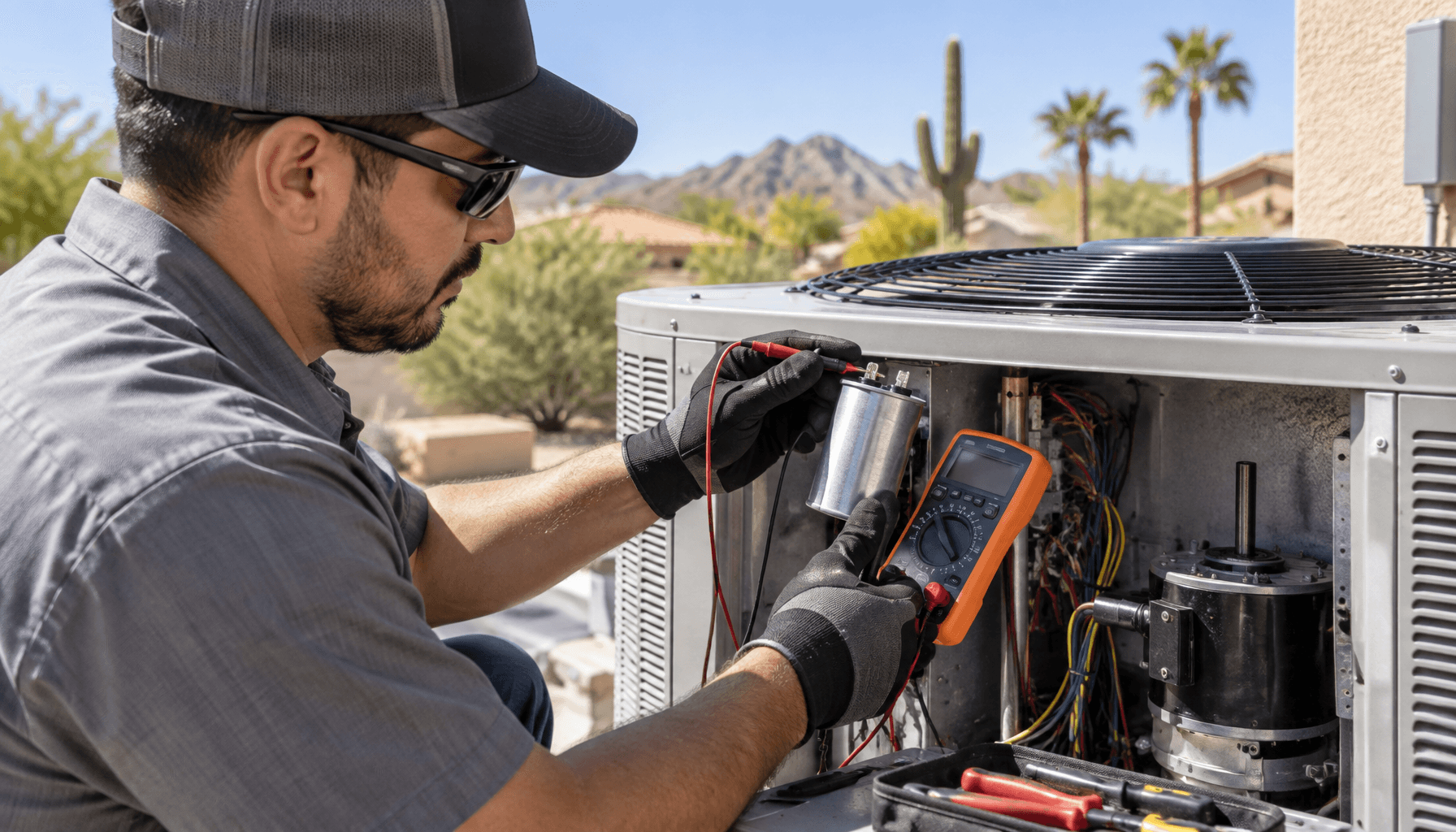
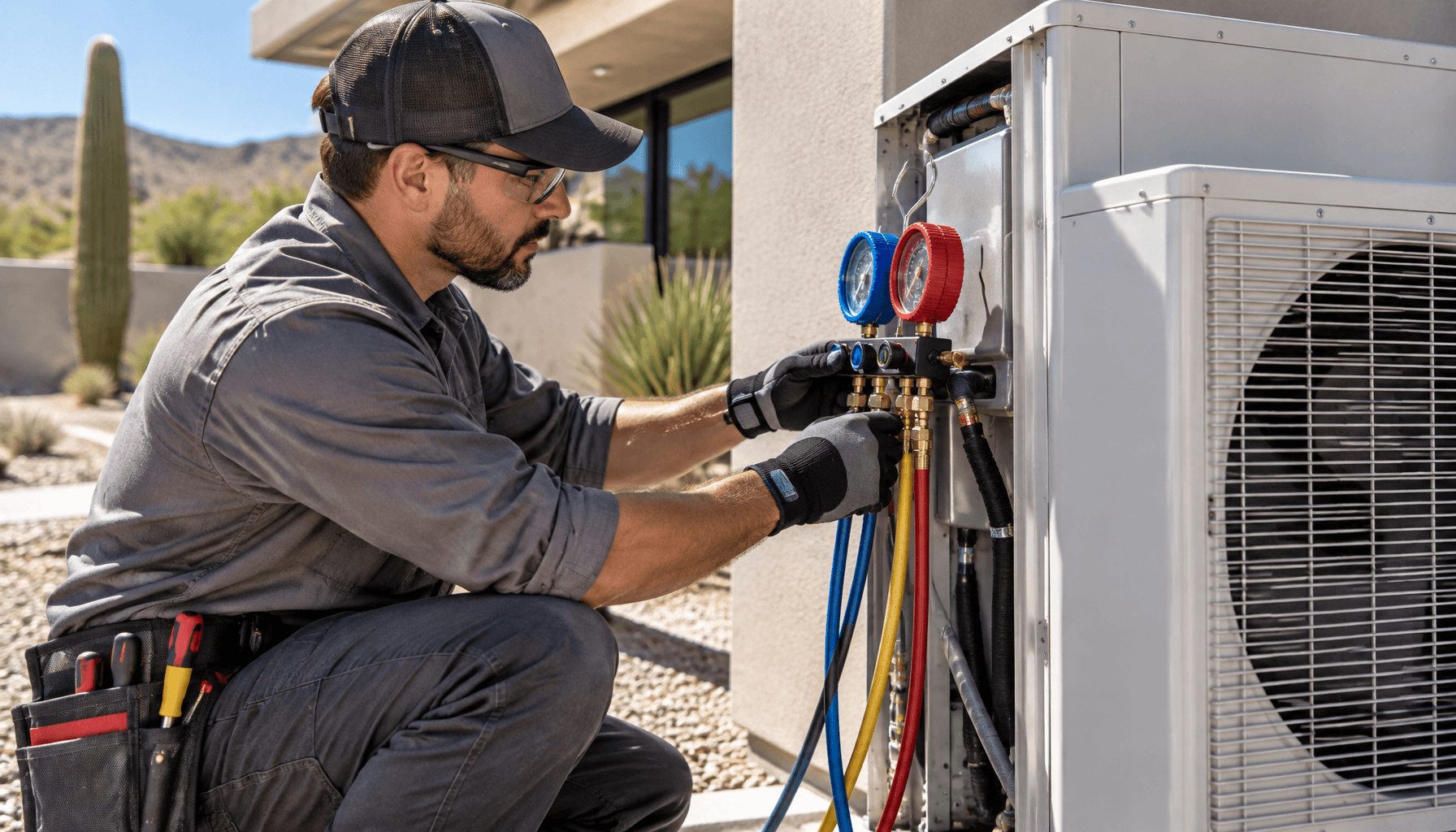
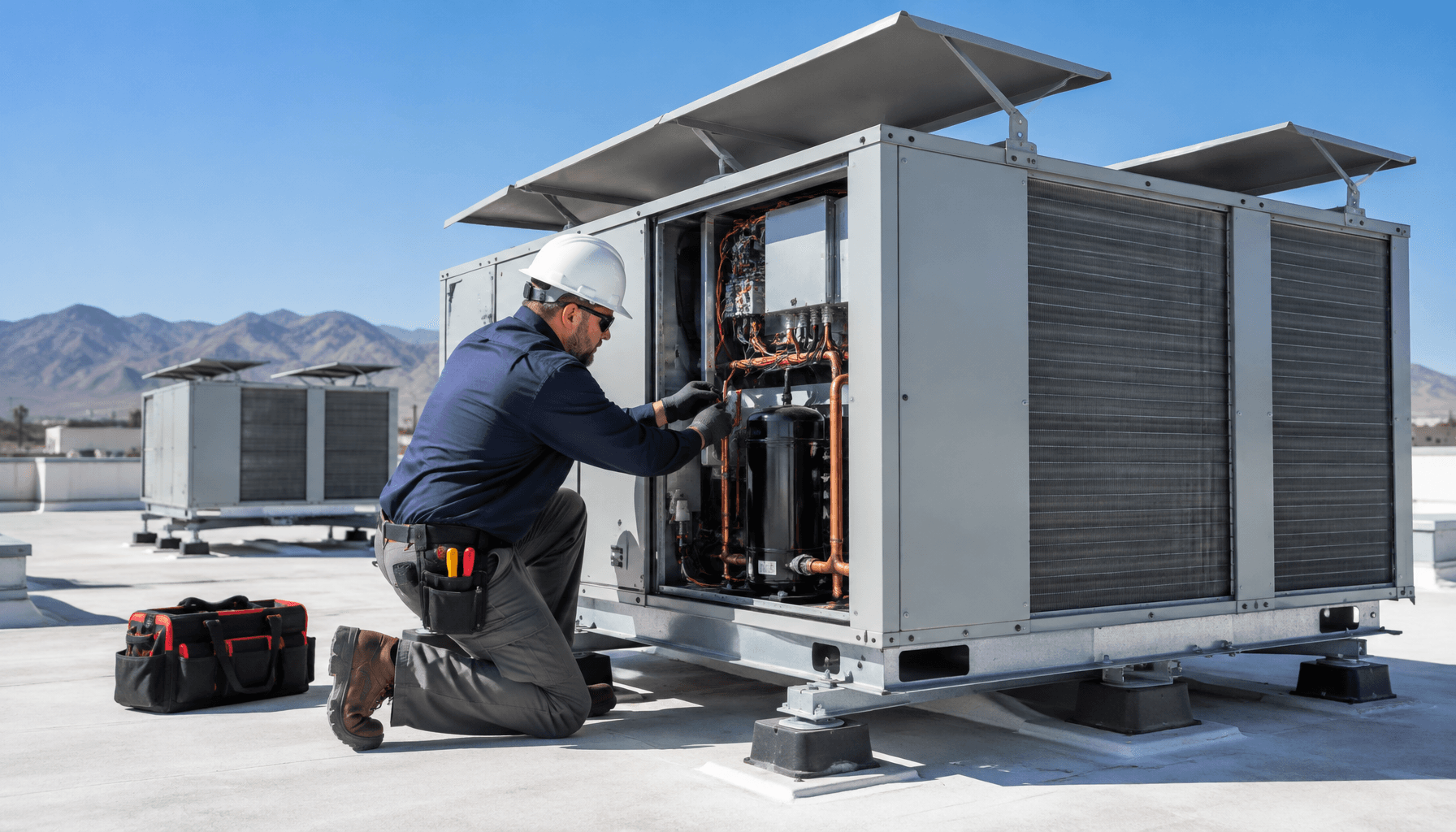
Rooftop HVAC units face severe challenges in the Southwest. With ambient heat often exceeding 115°F and monsoon gusts reaching 60 mph, structural integrity and operational efficiency are tested. Vibration dampening and UV protection become critical under these conditions. Improper installation or maintenance can void warranties, compromise safety, and breach compliance. Adherence to the International Building Code (IBC) and International Residential Code (IRC) is mandatory. The National Electrical Code (NEC/NFPA 70) outlines electrical safety. OSHA 1926 governs worker safety measures during installation and maintenance. Arizona's Registrar of Contractors (Title 32, Chapter 10) mandates specific licensing requirements for HVAC contractors.
Rooftop units must withstand UV exposure and wind loads. Neoprene and spring vibration isolators mitigate mechanical stress. Condenser coils require UV and hail guards to maintain operational longevity. Economizer dampers and condensate traps must function efficiently to prevent water damage and system inefficiency. Failing to comply with these standards can result in penalties, fines, and unsafe operating conditions. In Phoenix, replacing a non-compliant RTU can cost upwards of $15,000, not including potential fines. Compliance ensures safety and longevity.
Workflow Architecture & Execution Topology
+---------------------+
| On-Site Evaluation  |
| (AZ ROC Verification)|
+---------------------+
           |
           v
+---------------------+
| Structural Analysis |
| (IBC/IRC Standards) |
+---------------------+
           |
           v
+-----------------------+
| Vibration Isolation   |
| (Neoprene/Spring Curbs)|
+-----------------------+
           |
           v
+---------------------+
| UV/Hail Protection  |
| (Condenser Guards)  |
+---------------------+
           |
           v
+---------------------+
| Electrical Safety   |
| (NEC/NFPA Compliance)|
+---------------------+
           |
           v
+------------------------+
| Economizer Maintenance |
| (Dampers & Traps)      |
+------------------------+
Methodology Benchmark: Legacy Approaches vs. Modern Standards
| Criterion | Unverified/Legacy Methods | Modern ATR Assured Standards |
|---|---|---|
| Vetting Rigor | Minimal contractor checks. | AZ ROC license verification. |
| Escrow Protection | No financial safeguards. | Strict escrow holding protocols. |
| Audit Trail | Paper-based, easily lost. | Digital records, redundancies. |
| Statutory Certification | Non-compliant shortcuts. | Full IBC/IRC/NEC adherence. |
Essential Takeaways & Axioms for Property Owners
- Verify ROC credentials. Confirm your contractor's licensing under AZ ROC to prevent legal issues.
- Demand proper dampening. Neoprene and spring isolation curb mounts reduce vibration stress.
- Insist on UV guards. Protect condenser coils with UV and hail shields to extend unit life.
- Ensure code compliance. Follow IBC, IRC, and NEC standards for safety and efficiency.
Document Tags & Standards
Oliver Green
Verified Trade Standards AnalystLead Technical Writer & Trade Compliance Analyst • American Trade Registry Research
Lead technical writer and trade compliance systems analyst at American Trade Registry. Researching US building codes (IBC/IRC), OSHA safety mandates, state contractor licensing compliance, Mechanics Lien statutes, and automated contractor vetting and escrow assurance workflows for American property owners.
Need a vetted, licensed local pro?
Post your job in 90 seconds. We match you with verified, ROC licensed & insured tradespeople backed by our Peace of Mind guarantee.