HVAC Sizing in Extreme Desert Climates: Why Oversized Compressors Short-Cycle and Fail

Lead Technical Writer & Trade Compliance Analyst • American Trade Registry Research
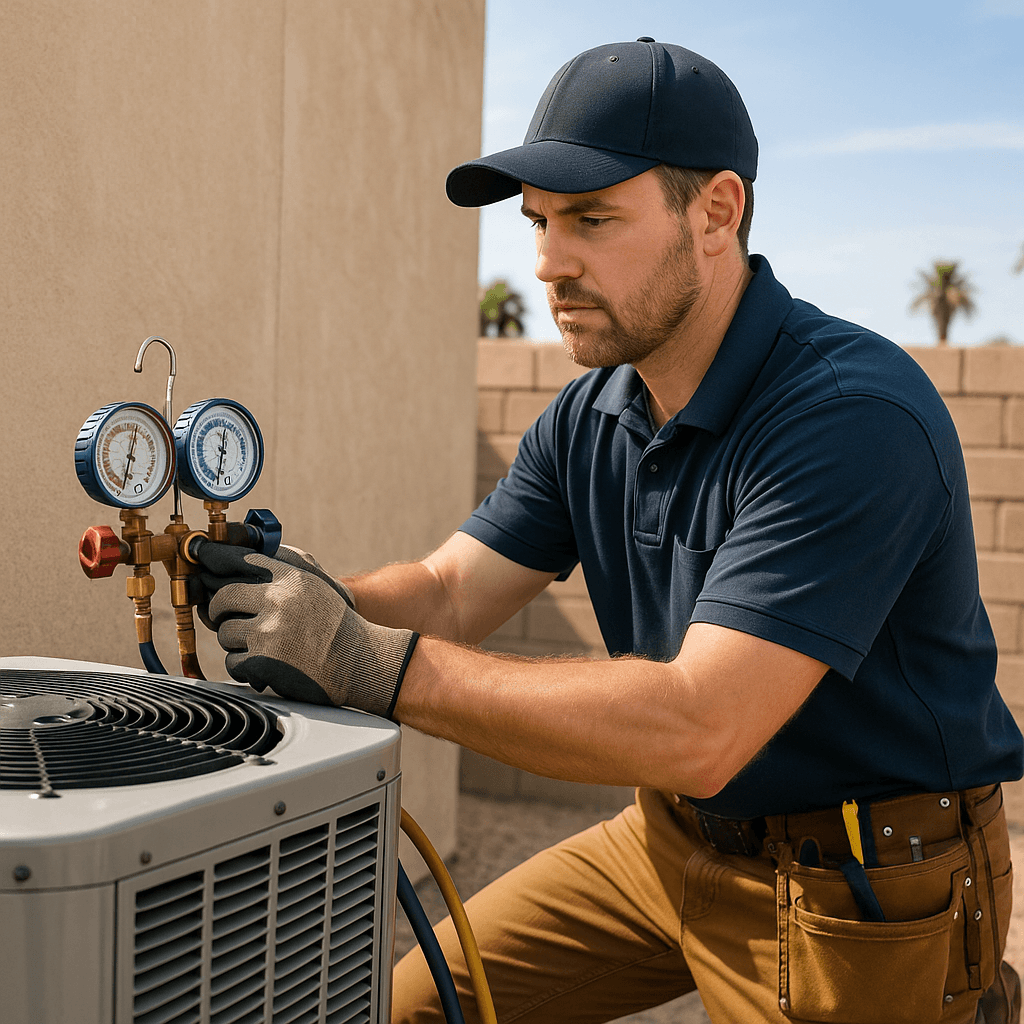
The Unforgiving Desert Climate
Desert climates are harsh. Temperatures soar. In these regions, HVAC systems work overtime. Arizona and Nevada are prime examples. Homes bake under relentless sun. The demand for effective cooling is high. Homeowners want relief. Fast, efficient cooling is the goal. However, challenges abound. Choosing the right system is critical.
Oversized HVAC systems are common here. Many believe bigger is better. It's a costly mistake. Such systems short-cycle. This leads to inefficiency. Short-cycling is when a compressor turns on and off rapidly. It causes wear and tear. It reduces lifespan. Knowing why this happens is essential.
The Mechanics of Short-Cycling
Short-cycling is a killer. It's an HVAC system’s nightmare. It occurs for a reason. Oversized compressors reach set temperatures too fast. They shut down prematurely. This rapid cycling stresses components. The compressor suffers most. It's the heart of the system. Frequent starts and stops cause damage.
What's the result Higher energy bills. Increased maintenance costs. Homeowners feel the hit. Comfort levels decrease. The home doesn't cool evenly. Humidity levels fluctuate. Residents feel sticky, uncomfortable. The system never runs long enough to dehumidify properly.
Proper Sizing: Preventing Failure
Proper sizing matters. It's not a guessing game. It requires precise calculations. A trained professional should evaluate your needs. They consider home size, insulation, and windows. Solar gain factors in too. Only then can they recommend the correct size.
- Load Calculation: A Manual J load calculation is essential. It determines the correct BTU output needed.
- Expert Assessment: Consult an experienced HVAC professional. Avoid DIY guesses.
- Regular Maintenance: Keep the system tuned. It ensures efficiency and durability.
These steps prevent short-cycling. They protect your investment. They ensure comfort. In the desert, that’s invaluable.
Homeowner Protection and Safety
Safety is important. An oversized system poses risks. Electrical components can overheat. Worn parts may fail unexpectedly. It’s a hazard. Regular inspections are a must. Licensing boards like Arizona ROC and California CSLB enforce standards. They protect homeowners. They ensure contractors comply with regulations.
Hire licensed professionals. Demand proper permits. Verify credentials. Protect your home and family. It’s your right. It’s your duty. Remember, a well-sized HVAC system doesn’t just provide comfort. It ensures safety. It extends the life of your equipment. In extreme desert climates, taking these steps is not just smart. It's necessary.
Document Tags & Standards
Oliver Green
Verified Trade Standards AnalystLead Technical Writer & Trade Compliance Analyst • American Trade Registry Research
Lead technical writer and trade compliance systems analyst at American Trade Registry. Researching US building codes (IBC/IRC), OSHA safety mandates, state contractor licensing compliance, Mechanics Lien statutes, and automated contractor vetting and escrow assurance workflows for American property owners.
Need a vetted, licensed local pro?
Post your job in 90 seconds. We match you with verified, ROC licensed & insured tradespeople backed by our Peace of Mind guarantee.