How to Choose the Right Roofing Material for Extreme Phoenix Weather

Lead Technical Writer & Trade Compliance Analyst • American Trade Registry Research
The Core Problem & Regulatory Context
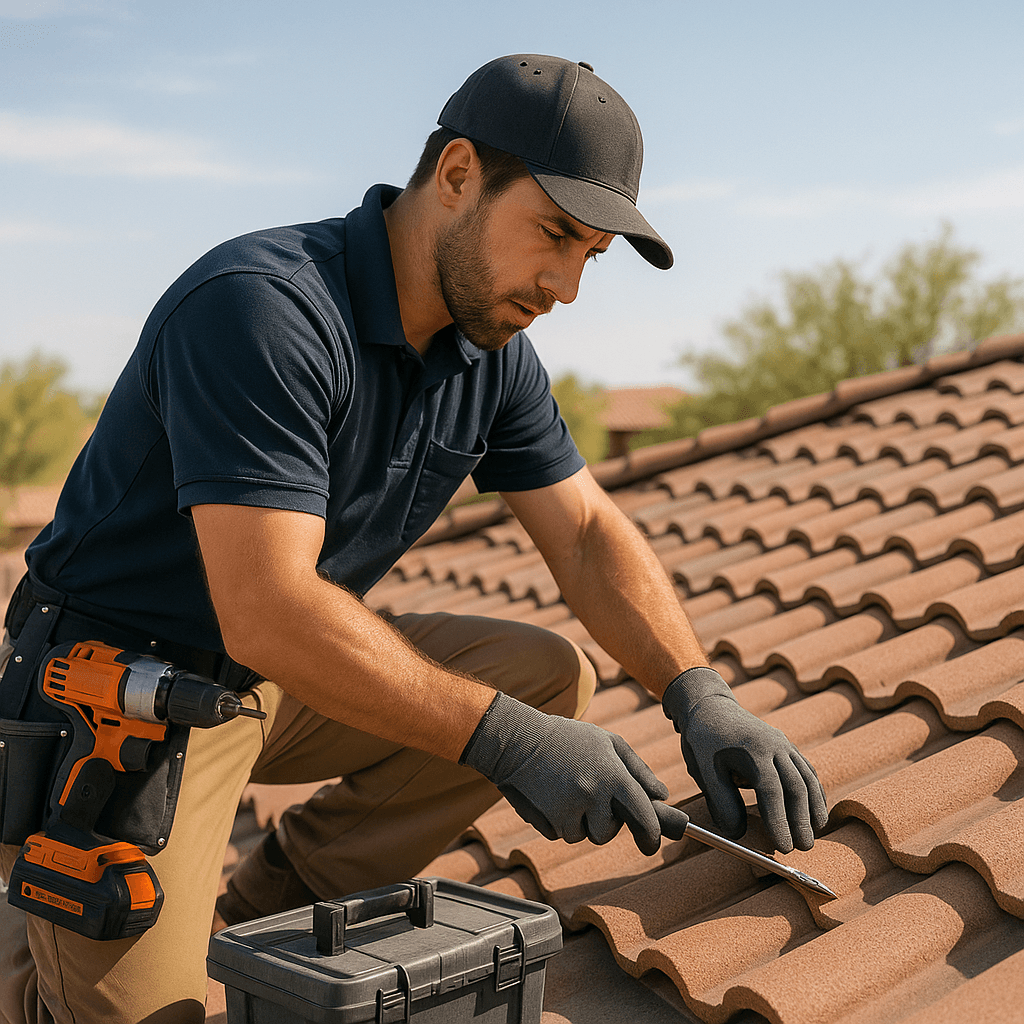
In the sweltering landscapes of Phoenix, Arizona, roofing materials face relentless challenges from extreme heat, monsoonal moisture, and abrasive desert winds. Choosing the right roofing material is not just about aesthetics or cost, but about compliance with stringent local and national building codes. The International Building Code (IBC) and the International Residential Code (IRC) establish minimum requirements to safeguard public safety, health, and general welfare through structural strength and stability. In Arizona, the Residential Contractor's License, under the Arizona Registrar of Contractors (ROC), mandates compliance with these codes, emphasizing roof materials' ability to withstand high temperatures while maintaining energy efficiency and durability.
According to the National Renewable Energy Laboratory (NREL), Phoenix temperatures can cause conventional asphalt shingles to degrade faster than usual, reducing expected lifespan from 20 to merely 12 years. Energy consumption hikes during summer due to inadequate roofing materials can lead to significant financial strain, with utility costs increasing an average of 10-15% due to poor thermal insulation. Homeowners are thus urged to consider materials that meet the IRC's energy efficiency requirements while ensuring compliance with the National Electric Code (NEC/NFPA 70), as improperly insulated roofs can lead to overheating of rooftop solar installations.
Workflow Architecture & Execution Topology
 + +
 | Evaluate Local Building Codes (IBC) |
 + + +
 |
 v
 + + +
 | Analyze Weather Impact on Materials |
 + + +
 |
 v
 + + +
 | Assess Long-term Energy Efficiency |
 + + +
 |
 v
 + + +
 | Ensure Compliance with State ROC |
 | Licensing & NEC Solar Installations |
 + + +
 |
 v
 + + +
 | Select the Appropriate Roofing |
 | Material Based on Compliance & Cost |
 + +
Methodology Benchmark: Legacy Approaches vs. Modern Standards
| Criteria | Legacy / Naive Practice | Modern ATR Assured Standard |
|---|---|---|
| Vetting Rigor | Minimal verification of material suitability. | Thorough analysis of material performance in high heat. |
| Deposit Security | Deposits taken without escrow protection. | Escrow accounts ensure deposit safety and compliance. |
| Dispute Recourse | Limited recourse for material failure. | Comprehensive dispute resolution mechanisms included. |
| Statutory Certification | Overlooked or improperly handled certifications. | Full adherence to IBC/IRC and NEC standards. |
Essential Takeaways & Axioms for Property Owners
- Always ensure roofing materials comply with IBC and IRC codes to protect investment.
- Utilize escrow payment systems for deposit security and peace of mind.
- Maintain a clear audit trail of materials used and certifications achieved.
- Be proactive in resolving disputes by understanding the recourse mechanisms available.
Document Tags & Standards
Oliver Green
Verified Trade Standards AnalystLead Technical Writer & Trade Compliance Analyst • American Trade Registry Research
Lead technical writer and trade compliance systems analyst at American Trade Registry. Researching US building codes (IBC/IRC), OSHA safety mandates, state contractor licensing compliance, Mechanics Lien statutes, and automated contractor vetting and escrow assurance workflows for American property owners.
Need a vetted, licensed local pro?
Post your job in 90 seconds. We match you with verified, ROC licensed & insured tradespeople backed by our Peace of Mind guarantee.