Essential Tips for Preparing Your HVAC System for Phoenix's Blistering Summer Heat.

Lead Technical Writer & Trade Compliance Analyst • American Trade Registry Research
Check Contractor Licensing and Credentials
Start with the basics. Verify licenses. Arizona ROC mandates all HVAC contractors hold valid licenses. Unlicensed work voids insurance. It can also violate state law. Use the Arizona Registrar of Contractors website to confirm credentials. Don’t skip this. This protects you and your property.
Ask for proof of insurance. Liability coverage is a must. Accidents happen. Without insurance, you’re at risk. A credible contractor won't hesitate. They’ll provide documentation. Always verify bonds first. Bonds ensure project completion. They offer peace of mind.
Schedule a Professional Inspection
Regular inspections are critical. They extend system life. Catch problems early. Avoid breakdowns later. An expert eye sees more. Technicians spot hidden issues. Small fixes prevent big costs.
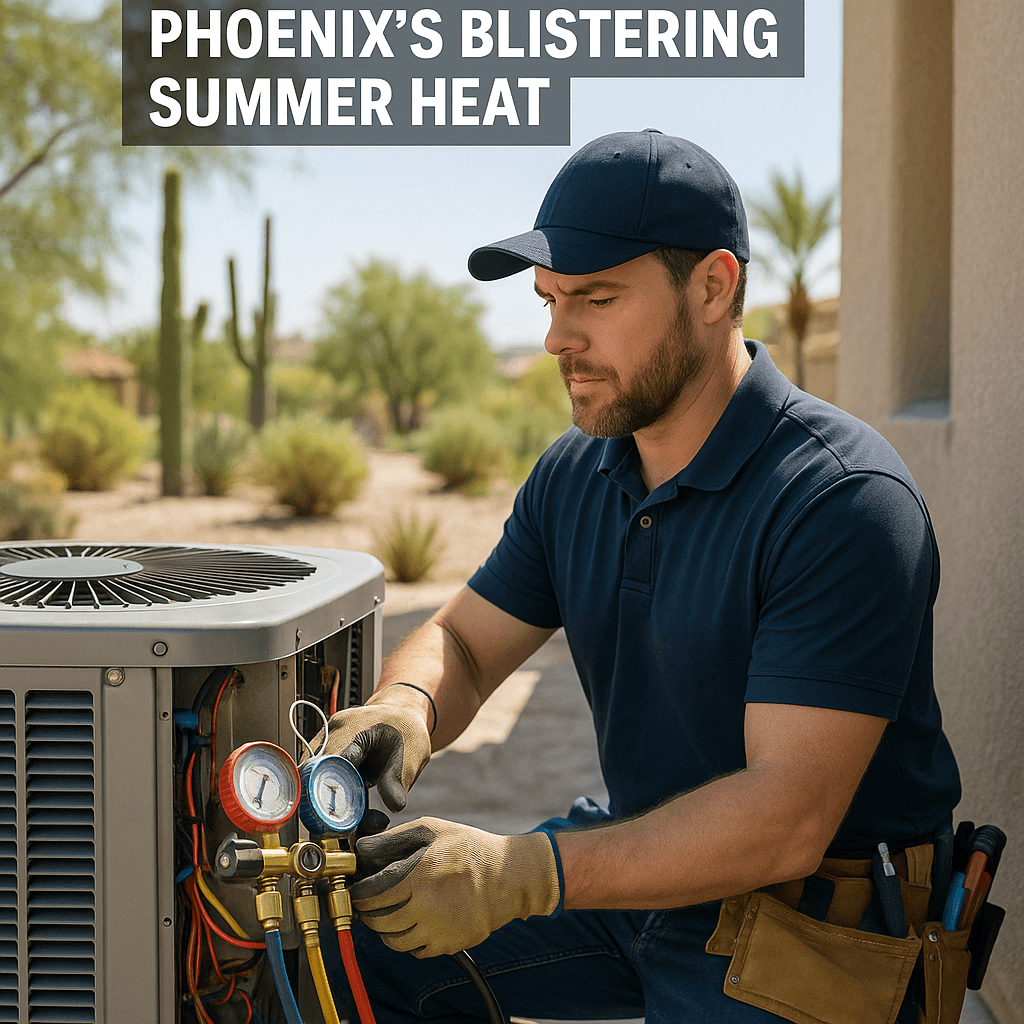
Inspectors should check refrigerant levels. Low levels mean trouble. Inspect electrical connections. Loose wires pose risks. Examine the thermostat. Calibration impacts efficiency. Check ductwork for leaks. Leaks waste energy. This cuts cooling effectiveness. A thorough inspection covers all bases.
Replace Filters and Clean Components
Dirty filters restrict airflow. This strains the system. It leads to higher bills. Replace filters regularly. At least every month. Especially during peak summer.
Clean evaporator and condenser coils. Dust buildup reduces efficiency. It forces the system to work harder. This can cause overheating. Use a gentle touch. Coils are delicate. Check the condensate drain. Blockages cause moisture issues. Unclogging prevents water damage.
Adjust and Optimize System Settings
Temperature settings matter. Set your thermostat to 78°F. This balances comfort and cost. Use programmable thermostats. They save energy. Adjust settings for times you're away. Smart thermostats offer more. They adapt automatically.
Examine fan settings. Use “auto” instead of “on.” “Auto” ensures cycles match demand. This avoids unnecessary wear. Check outdoor unit placements. Ensure it’s debris-free. Clear surroundings improve airflow. Shield units from direct sunlight. Shade reduces heat absorption. This boosts efficiency.
```Document Tags & Standards
Oliver Green
Verified Trade Standards AnalystLead Technical Writer & Trade Compliance Analyst • American Trade Registry Research
Lead technical writer and trade compliance systems analyst at American Trade Registry. Researching US building codes (IBC/IRC), OSHA safety mandates, state contractor licensing compliance, Mechanics Lien statutes, and automated contractor vetting and escrow assurance workflows for American property owners.
Need a vetted, licensed local pro?
Post your job in 90 seconds. We match you with verified, ROC licensed & insured tradespeople backed by our Peace of Mind guarantee.