
Essential HVAC Summer Prep Tips for Phoenix Homeowners

Lead Technical Writer & Trade Compliance Analyst • American Trade Registry Research
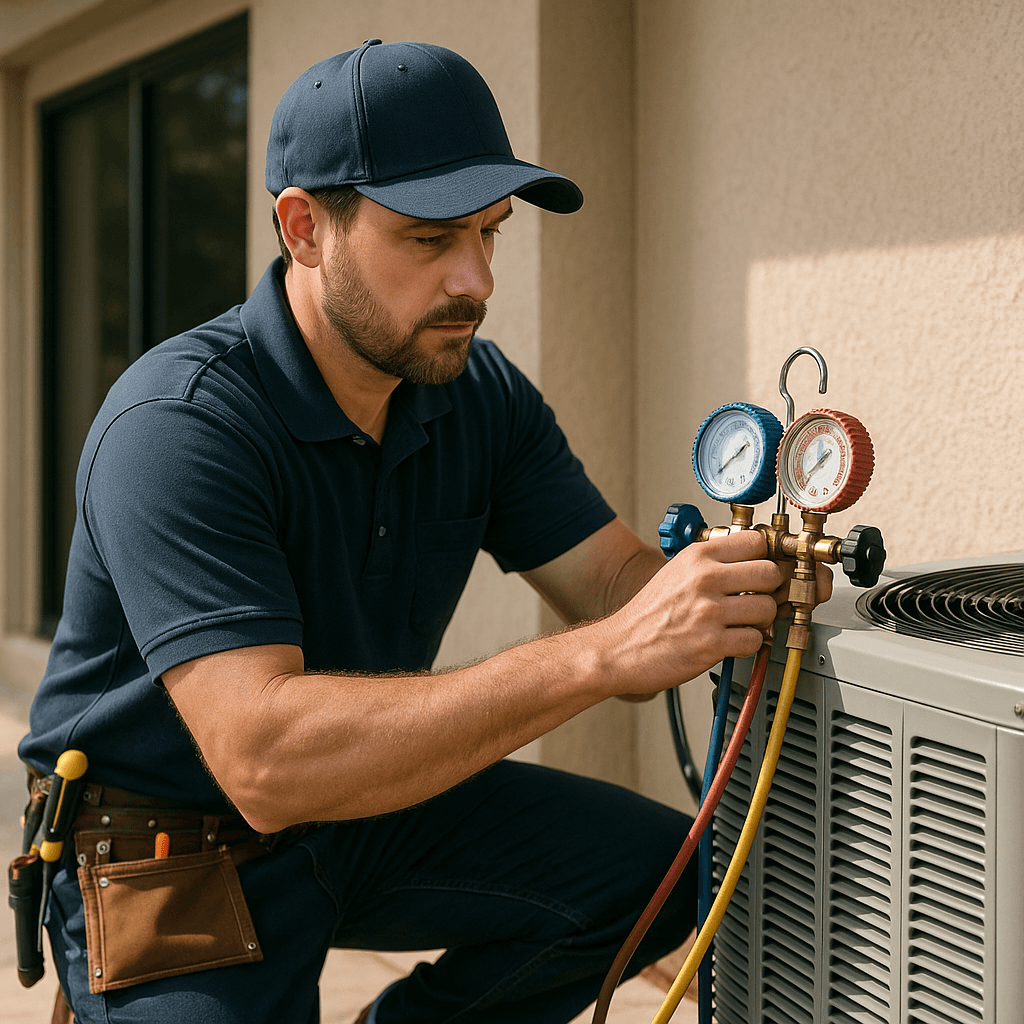
The Core Problem & Regulatory Context
As temperatures soar in Phoenix, HVAC systems become indispensable for maintaining comfort and safety within residential properties. However, the maintenance and preparation of these systems prior to the summer months pose significant challenges. Per the International Residential Code (IRC) and safety standards such as the National Electrical Code (NEC/NFPA 70), HVAC units must adhere to strict installation, maintenance, and safety guidelines. Non-compliance can result in inefficient operation, elevated energy costs, and potential safety hazards.
Arizona's Registrar of Contractors (ROC) enforces licensing to ensure proper installation and maintenance of HVAC systems. Failure to utilize licensed professionals can lead to substandard repairs or installations, increasing the likelihood of faults during Arizona's peak heat. Repair costs in the Phoenix area typically range from $150 to $500 for basic repairs, and full system replacements can exceed $5,000, a significant expense that homeowners would prefer to avoid through regular maintenance.
Safety and energy efficiency are essential. The Occupational Safety and Health Administration (OSHA) mandates safe working conditions during HVAC maintenance, vital for both technician safety and system reliability. Faulty systems threaten human health. Heat strokes can occur. Poor air quality damages lungs. Complying with these regulations not only protects homeowners but also ensures long-term investment preservation in Phoenix properties.
Workflow Architecture & Execution Topology
+ +
| Inspect HVAC Unit |
| (Check for Leaks, |
| Corrosion, etc.) |
+ + +
 |
 v
+ +
| Clean Components |
| (Filters, Condensers, |
| Coils, etc.) |
+ + +
 |
 v
+ +
| Check Electrical & |
| Thermostat Systems |
+ + +
 |
 v
+ +
| Test System Efficacy |
| (Performance & Output)|
+ +
 |
 v
+ +
| Confirm Compliance |
| with IRC & NEC/NFPA 70|
+ +
Methodology Benchmark: Legacy Approaches vs. Modern Standards
| Criteria | Legacy/Unverified Methods | ATR Assured Standards |
|---|---|---|
| Vetting Rigor | Minimal background checks, often unlicensed technicians | Comprehensive vetting, verified licensing through ROC |
| Deposit Security | Often unsecured, high risk of loss | Escrow-secured, ensuring fund protection |
| Dispute Recourse | Limited, informal resolution paths | Formal, documented dispute resolution process |
| Statutory Certification | Frequently overlooked, non-compliance with regulations | Ensures full compliance with IRC and NEC standards |
Essential Takeaways & Axioms for Property Owners
- Always verify technician licensing with the Arizona ROC to ensure compliance.
- Use escrow services for deposit security to mitigate financial risk.
- Maintain a detailed audit trail of all maintenance and repairs for future reference.
- Prioritize adherence to IRC and NEC standards to ensure safety and efficiency.
Document Tags & Standards
Oliver Green
Verified Trade Standards AnalystLead Technical Writer & Trade Compliance Analyst • American Trade Registry Research
Lead technical writer and trade compliance systems analyst at American Trade Registry. Researching US building codes (IBC/IRC), OSHA safety mandates, state contractor licensing compliance, Mechanics Lien statutes, and automated contractor vetting and escrow assurance workflows for American property owners.
Need a vetted, licensed local pro?
Post your job in 90 seconds. We match you with verified, ROC licensed & insured tradespeople backed by our Peace of Mind guarantee.