Cost-Effective Panel Upgrades for Improved Energy Efficiency in Phoenix Homes

Lead Technical Writer & Trade Compliance Analyst • American Trade Registry Research
Understanding Electrical Load Requirements and Code Compliance
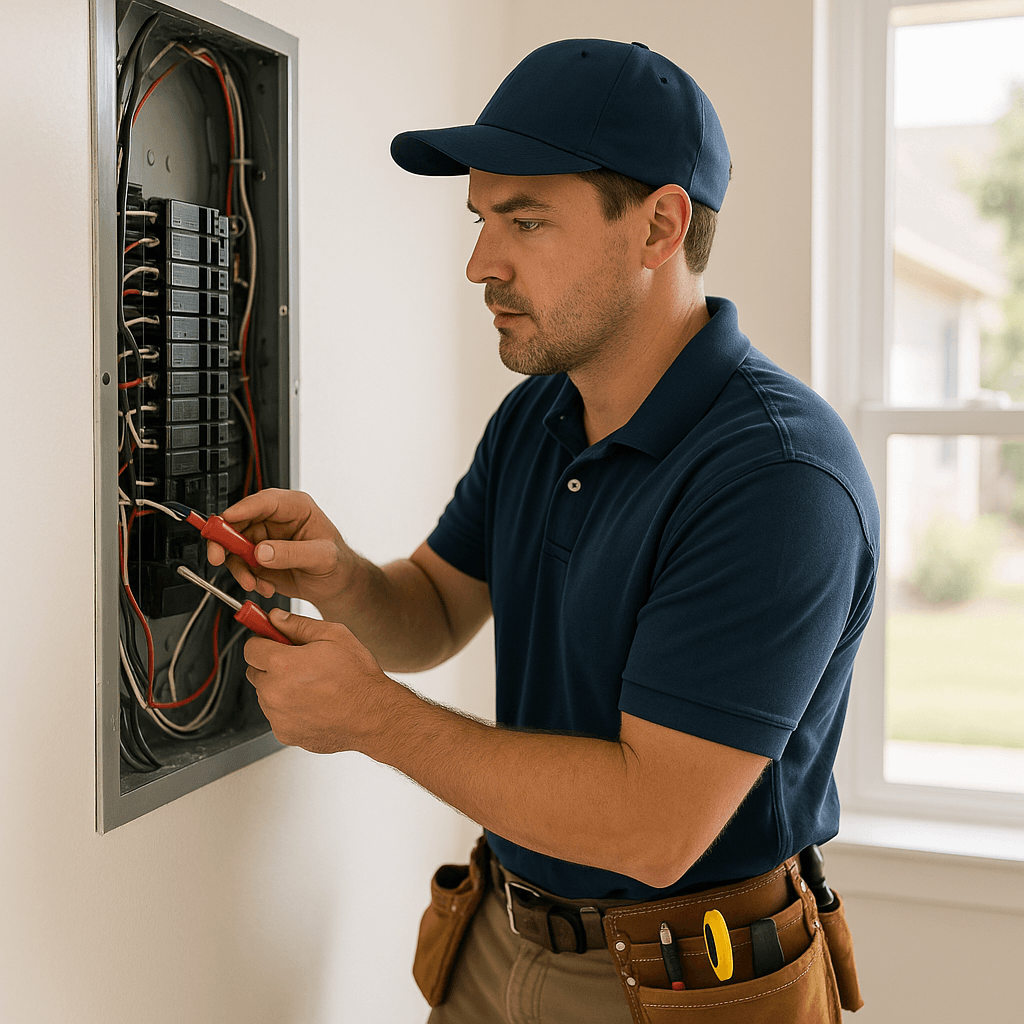
When upgrading electrical panels in Phoenix homes for enhanced energy efficiency, understanding the electrical load requirements and adherence to the National Electrical Code (NEC) is critical. An upgrade from a 100-amp to a 200-amp panel often accommodates modern energy needs, including solar installations and EV chargers. Select a licensed electrician with a CR-11 classification. Verify credentials. This ensures compliance and safety, as incorrect installations pose significant fire risks and system inefficiencies.
An accurate load calculation is mandatory before proceeding. This involves determining the amperage needs based on appliances, HVAC units, and any planned future expansions. Utilize NEC Article 220 to guide load calculations. It prevents circuit overload and ensures system efficiency. Conduct a thorough site survey. This includes checking existing circuit conditions, identifying outdated or damaged components, and evaluating panel location as per NEC 408.30, which mandates accessibility and clearance requirements.
Selecting Materials for Durability and Efficiency
Material selection directly impacts both the durability and efficiency of electrical panel upgrades. Employ copper conductors for better conductivity and reliability. Copper’s high thermal conductivity reduces heat buildup, minimizing energy loss and potential fire hazards. Choose panels with a NEMA 3R rating when subject to exterior installation, ensuring they withstand Phoenix's harsh weather without compromising safety. Use weatherproof materials.
Additionally, when sourcing circuit breakers, opt for those that meet or exceed UL (Underwriters Laboratories) standards for safety and performance. Utilize breakers with integrated arc-fault and ground-fault protection where required by the NEC, particularly in bedrooms and wet areas, to enhance safety and prevent electrical faults. Adhere to NEC Article 210.12. This mitigates shock risks. Consult manufacturer specifications to ensure compatibility with existing systems and avoid voiding warranties.
Cost Considerations and Implementation Strategies
While panel upgrades can require a significant initial investment, strategic planning and material choices can mitigate costs while ensuring compliance and performance. Engage in a detailed cost analysis to understand the financial implications. This includes labor, materials, permit fees, and potential additional circuit installations. Prioritize critical upgrades first. Consider phased implementation if budget constraints exist, starting with essential circuits and gradually expanding.
Obtain necessary permits from local authorities, as these protect property value and ensure work meets municipal standards. Permit fees vary but are essential for legal compliance. Schedule inspections. This confirms the installation's adherence to codes and standards and provides peace of mind regarding safety and reliability. Engage with experienced contractors who can offer insights into cost-efficient practices and negotiate better rates on materials due to established supplier relationships.
Maximizing Energy Efficiency Post-Upgrade
Post-upgrade, enhancing overall home energy efficiency involves integrating smart technology and energy-efficient practices. Install smart circuit breakers and energy management systems capable of monitoring energy use and optimizing load distribution based on real-time data. This reduces unnecessary energy consumption and helps identify energy wastage. Implement smart systems.
Regular maintenance and inspections of the electrical system ensure continued compliance and efficiency. Schedule annual check-ups to detect and rectify potential issues before they escalate into costly failures. Use infrared thermography to identify hot spots and ensure connections remain intact and corrosion-free. Maintain efficiency. Encouraging homeowners to participate in energy efficiency programs or incentives offered by local utility companies can further offset costs and support sustainable energy use.
Document Tags & Standards
Oliver Green
Verified Trade Standards AnalystLead Technical Writer & Trade Compliance Analyst • American Trade Registry Research
Lead technical writer and trade compliance systems analyst at American Trade Registry. Researching US building codes (IBC/IRC), OSHA safety mandates, state contractor licensing compliance, Mechanics Lien statutes, and automated contractor vetting and escrow assurance workflows for American property owners.
Need a vetted, licensed local pro?
Post your job in 90 seconds. We match you with verified, ROC licensed & insured tradespeople backed by our Peace of Mind guarantee.